

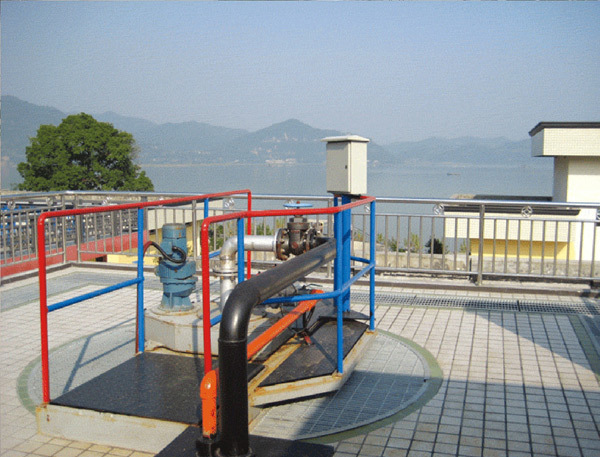
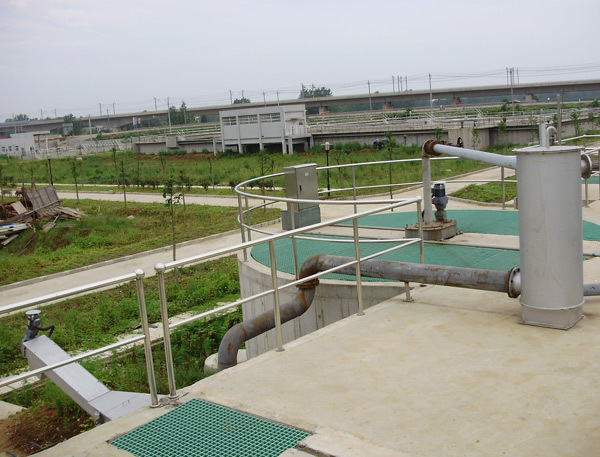
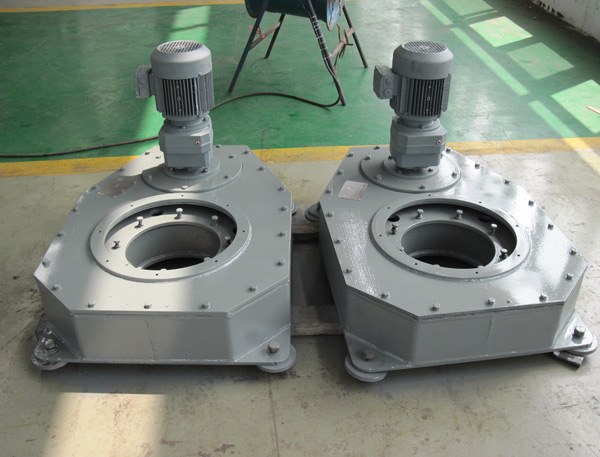
XXLC-type hydrocyclone sand remover
Keywords: pretreatment equipment, aeration equipment
Product Description
XXLC-type hydrocyclone sand remover
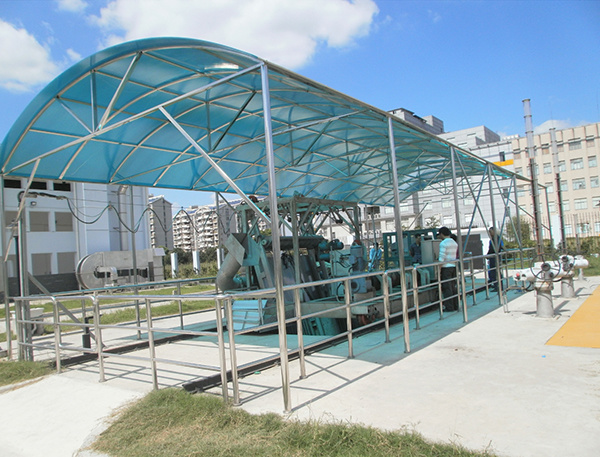
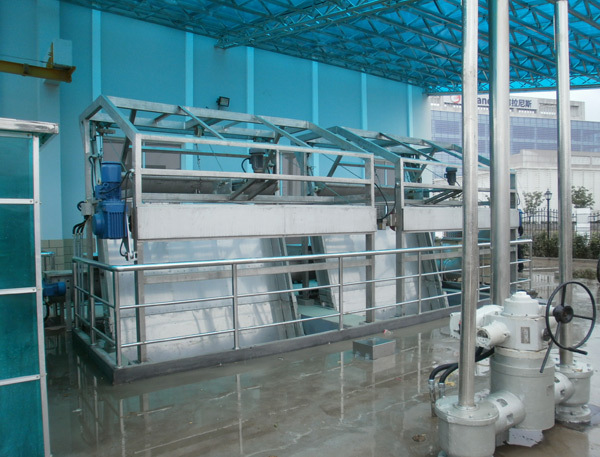
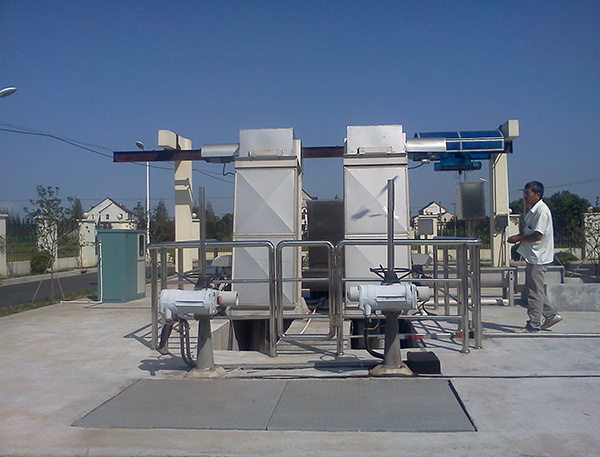
XXLC-type hydrocyclone grit chambers are typically employed in the fine‑grit removal basins of wastewater treatment plants—specifically, in bell‑type grit chambers—to separate larger inorganic particles from the wastewater.
Air‑pumping or pump‑lifting is commonly used for sand removal.
The vortex grit chamber integrates multiple functions—grit removal, sand washing, and sand discharge—into a single unit. It features low energy consumption, a compact footprint, cost-effective investment, advanced technology, and ease of maintenance and management, placing it at the forefront of domestic solutions and enabling it to replace comparable foreign products.
Its characteristics:
The equipment features a rational, compact design, occupying minimal floor space, requiring low capital investment, exhibiting a low failure rate, and offering convenient maintenance and operation.
The sand‑removal performance is only slightly affected by variations in flow rate.
Excellent sand–water separation performance, yielding sand with low moisture content and minimal organic matter, which facilitates transportation;
The system employs PLC‑based automatic control of the sand‑washing and sand‑discharge cycles, ensuring safe and reliable operation.
Easy to operate, simple to maintain, and long service life;
It has minimal impact on the surrounding environment and maintains good sanitary conditions.
Working principle
Wastewater enters the hydrocyclone sand separator tangentially at a specified flow velocity. Under the combined action of centrifugal force and gravity, sand particles rotate along the cylindrical tank wall in a helical path, accelerating downward. As the wastewater passes through the rotating inclined‑blade impeller, the sand is thrown toward the tank wall and then slides down the sloped wall into the sand collection hopper.
The sand collected in the grit chamber is vigorously washed by an air‑powered jet, which detaches organic matter from the sand particles; the detached organic matter returns to the wastewater, while the sand is lifted by a blower. The resulting sand–water mixture is further separated in a sand‑water separator before being discharged, thereby achieving separation of sand from wastewater and reducing the sand content in the effluent.
Product Consulting
We will contact you within one working day. Please pay attention to your email.
Jiangsu Xinlang environment Co., Ltd.
Address: 58 Jinhuai Road, Weiyang Economic Development Zone, Yangzhou City, Jiangsu Province
Telephone:0514-85888833,0514-85888828
Fax: 0514-87757766
Mail:jsxlhb@vip.126.com
Follow Us

Mobile Website