

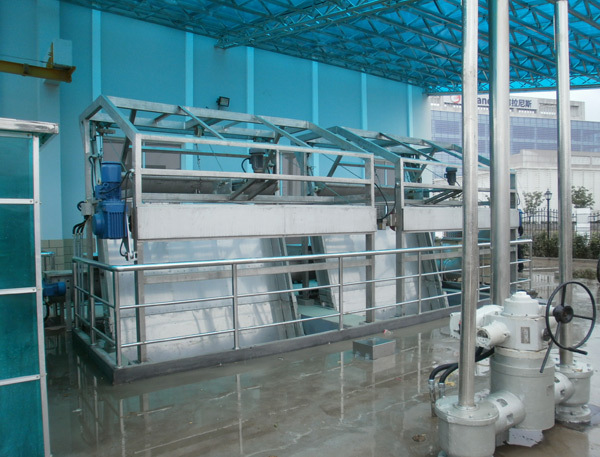


XSG-type three-rope bar screen cleaner
Keywords: pretreatment equipment, aeration equipment
Product Description
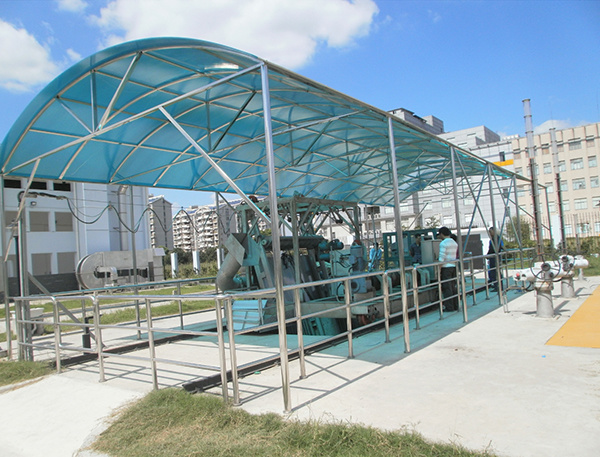
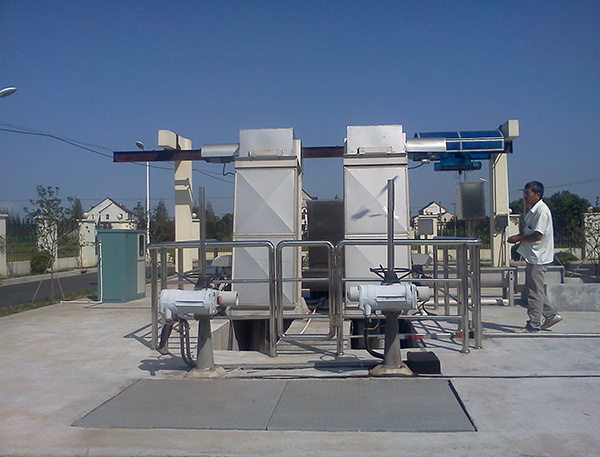
The XSG wire‑rope‑driven bar screen cleaner (also known as a three‑cable bar screen cleaner) is typically used in channels with considerable depth and a width not exceeding 4 m. It is classified as a coarse‑grit screen, featuring relatively wide bar spacing, generally ranging from 20 to 100 mm. When the channel width exceeds 4 m, a mobile wire‑rope‑driven bar screen cleaner may be employed.
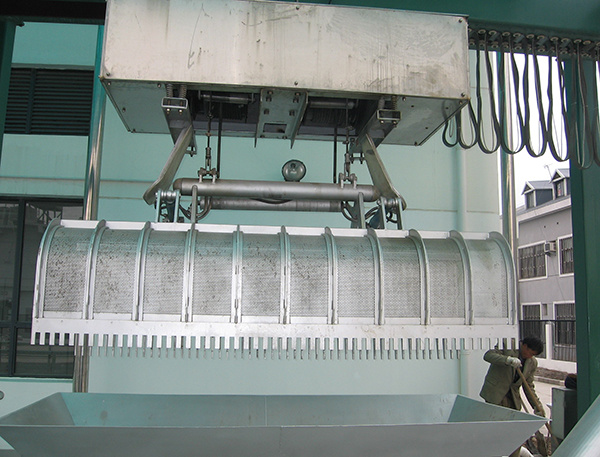
The XSG-type bar screen is equipped with three steel cables: two of them, driven by the lifting motor, slowly and smoothly raise the rake bucket to the discharge outlet; the third cable, located in the middle and actuated by the raking motor, flips the bucket and, in conjunction with the debris‑removal pusher, discharges the screened solids, delivering excellent cleaning and unloading performance.
Its characteristics:
● Wide range of applications, with a maximum width of 4.0 m and a maximum depth of 30.0 m;
● Large slag‑removal capacity: a single operation can remove over 300 kg of slag, and it can even extract settled sediment; slag is discharged via a scraper, delivering excellent results.
● Durable and resistant to damage; no moving parts underwater, ensuring easy maintenance and operation.
● Equipped with overload protection, ensuring safe and reliable operation;
● The bar screen can operate on a timed schedule according to preset intervals, or it can be automatically controlled based on the water level differential between the upstream and downstream sides of the screen.
Working principle
The debris‑removal rake bucket is in the open position and descends along the track to the bottom. Under the control of the control unit, it closes, capturing intercepted screenings, debris, and other materials into the bucket. Subsequently, the lifting mechanism activates, raising the bucket until it reaches the discharge port, where a debris‑pushing rod discharges the collected material. The bucket then stops rising and opens, completing one operational cycle. It either awaits the command for the next cycle or operates continuously in response to PLC control signals.
Product Consulting
We will contact you within one working day. Please pay attention to your email.
Jiangsu Xinlang environment Co., Ltd.
Address: 58 Jinhuai Road, Weiyang Economic Development Zone, Yangzhou City, Jiangsu Province
Telephone:0514-85888833,0514-85888828
Fax: 0514-87757766
Mail:jsxlhb@vip.126.com
Follow Us

Mobile Website