

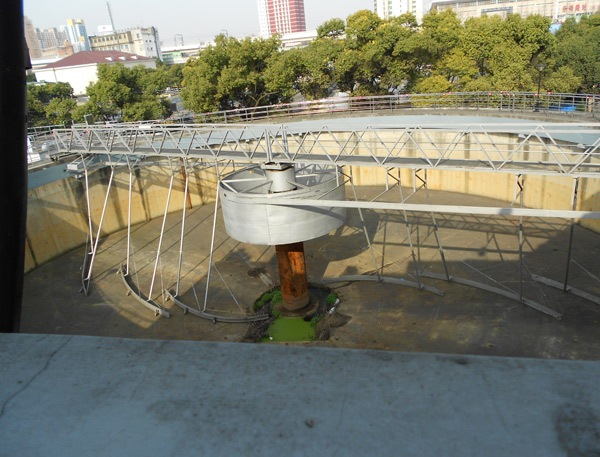
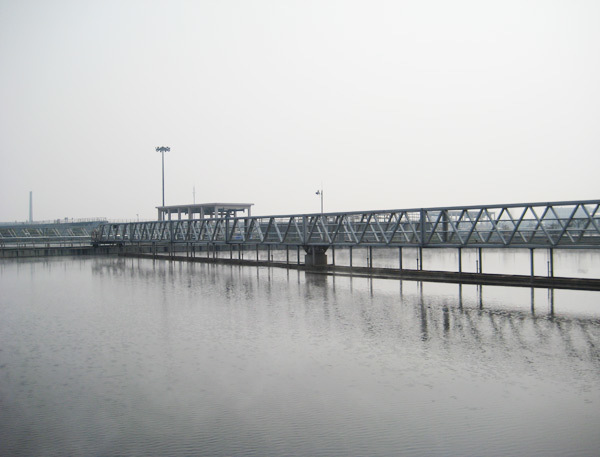
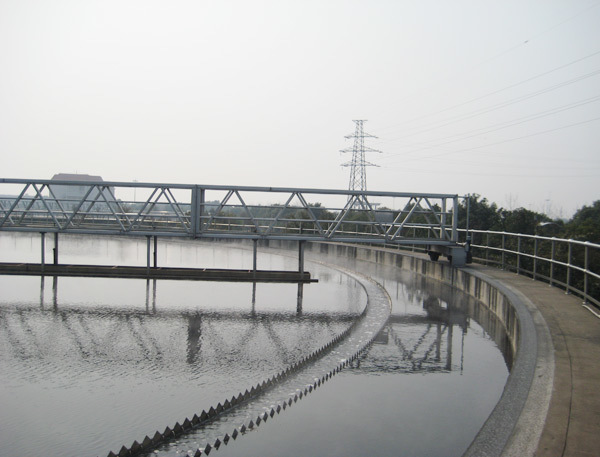
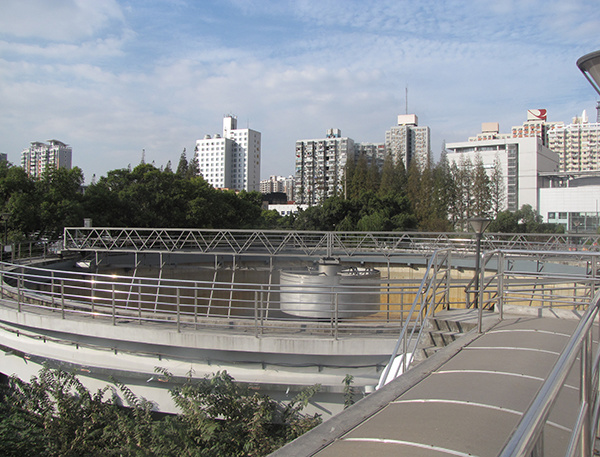
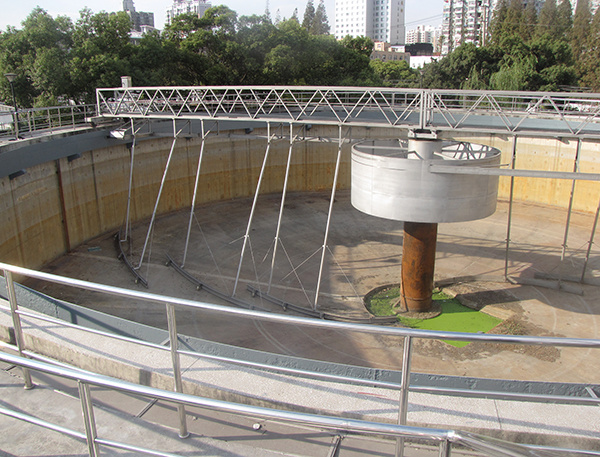
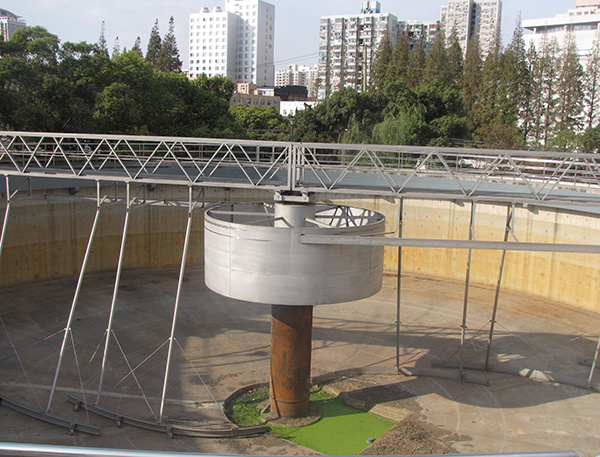
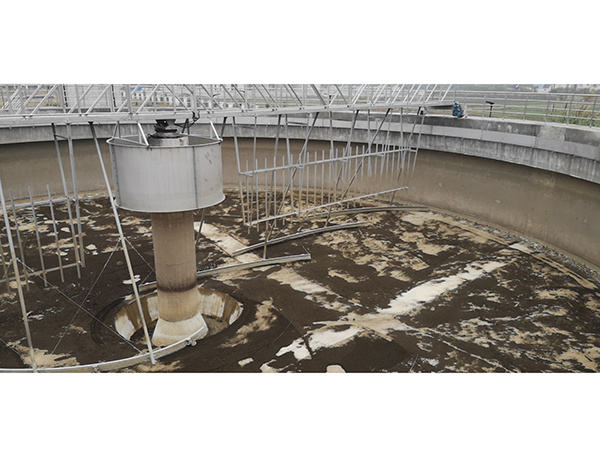
XZBG-type peripheral-drive sludge scraper, XNBS-type peripheral-drive thickener
Keywords: pretreatment equipment, aeration equipment
Product Description
XZBG-type peripheral-drive sludge scraper, XNBS-type peripheral-drive thickener
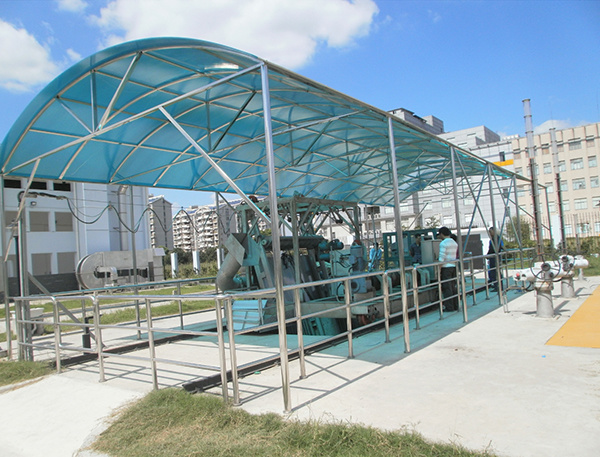
XZBG-type peripheral-drive sludge scrapers and XNBS-type peripheral-drive thickeners are primarily used in the thickening and sedimentation tanks of large-scale wastewater treatment plants—typically those with a flow rate exceeding 600 m³/h and a tank diameter greater than 20 m—to collect and remove settled sludge. In addition, skimming devices for surface scum and floatables are generally installed above the water surface.
The typical treatment process features inflow at the center, outflow around the perimeter, and sludge discharge from the center.
At the center of the tank, a central support column is typically provided, which also serves as the inlet pipe. The lower portion of the column connects to the tank’s inlet line, while its upper end is sealed to form a platform that supports the central structure; outlet openings are drilled around the column wall. The central support column is usually constructed of reinforced concrete, though steel structures may also be employed.
Its characteristics
A hinged scraper arm is employed to provide overload protection while effectively reducing capital costs.
The working bridge employs truss girders, offering a lightweight structure with excellent stiffness, and its length can be customized to meet varying process and site requirements.
The sludge scrapers are arranged in a pair of logarithmic spirals to enhance sludge removal, and their bottoms are equipped with rollers to effectively prevent jamming.
Scrapes sludge layer by layer during operation, ensuring cleanliness and thoroughness.
Working principle
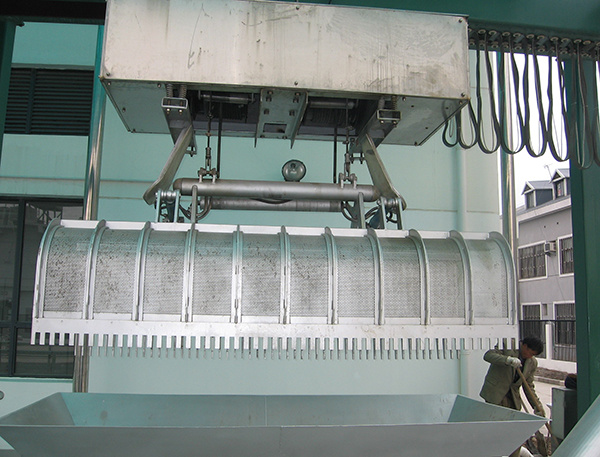
Wastewater enters the sedimentation tank through a central flow‑stabilizing cylinder at a specified velocity. As the flow rate decreases, both inert and activated sludge settle to the tank bottom. The thickener’s drive mechanism rotates the working bridge along the tank’s plane; in turn, the bridge drives the scraper arms, which carry scrapers that progressively convey the settled sludge from the tank periphery toward the central sludge hopper. Simultaneously, the thickening bars mounted on the scraper arms rotate, further accelerating sludge settling. Under the action of its own hydrostatic pressure or a pump, the sludge is discharged from the tank. Scum floating on the water surface is collected by a skimmer positioned at the thickener’s water‑surface level and conveyed to a scum collection hopper. Meanwhile, clarified effluent overflows the scum baffle and passes through the outlet weir into the downstream process, thereby removing both settled sludge and floating scum from the wastewater.
Product Consulting
We will contact you within one working day. Please pay attention to your email.
Jiangsu Xinlang environment Co., Ltd.
Address: 58 Jinhuai Road, Weiyang Economic Development Zone, Yangzhou City, Jiangsu Province
Telephone:0514-85888833,0514-85888828
Fax: 0514-87757766
Mail:jsxlhb@vip.126.com
Follow Us

Mobile Website